Live Life, Hands-On
Whether you’re juggling family life, cooking up a storm in the kitchen, or you just love getting out into the great outdoors – embrace life and all its messy moments. So bake those cookies, get finger-painting, and play outdoor games with the kids, safe in the knowledge Carex is right behind you to get everyone cleaned up. Here at Carex, we’ve created loads of fun (and totally free) activities, including hand washing songs, to keep little hands busy and teach the importance of hand washing. Go and get stuck in, and remember to share your messy moments with us! Life can be messy – that’s why we Carex.
Looking to get stuck in?
Below, we’ve put together a list of great hands-on activities to do with your kids. From baking yummy vanilla cookies to creating a bug hotel, and catchy hand washing songs to encourage good hand hygiene. Don’t be afraid to embrace life’s messy moments- with Carex.

CAREX CREATES VANILLA COOKIES
Tell Me Have You Washed Your Hands
Helping Hands Board Game
Carex Creates Slime!
Squirt Squirt Squirt
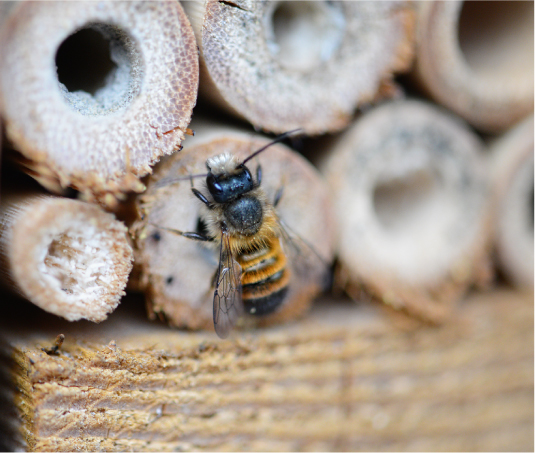
Carex Creates Bug Hotel
Get the latest news!